The Government of Antigua and Barbuda has launched a US$12.3 million project to strengthen disaster preparedness and improve early warning systems across the twin-island state, as climate threats continue to intensify throughout the Caribbean.
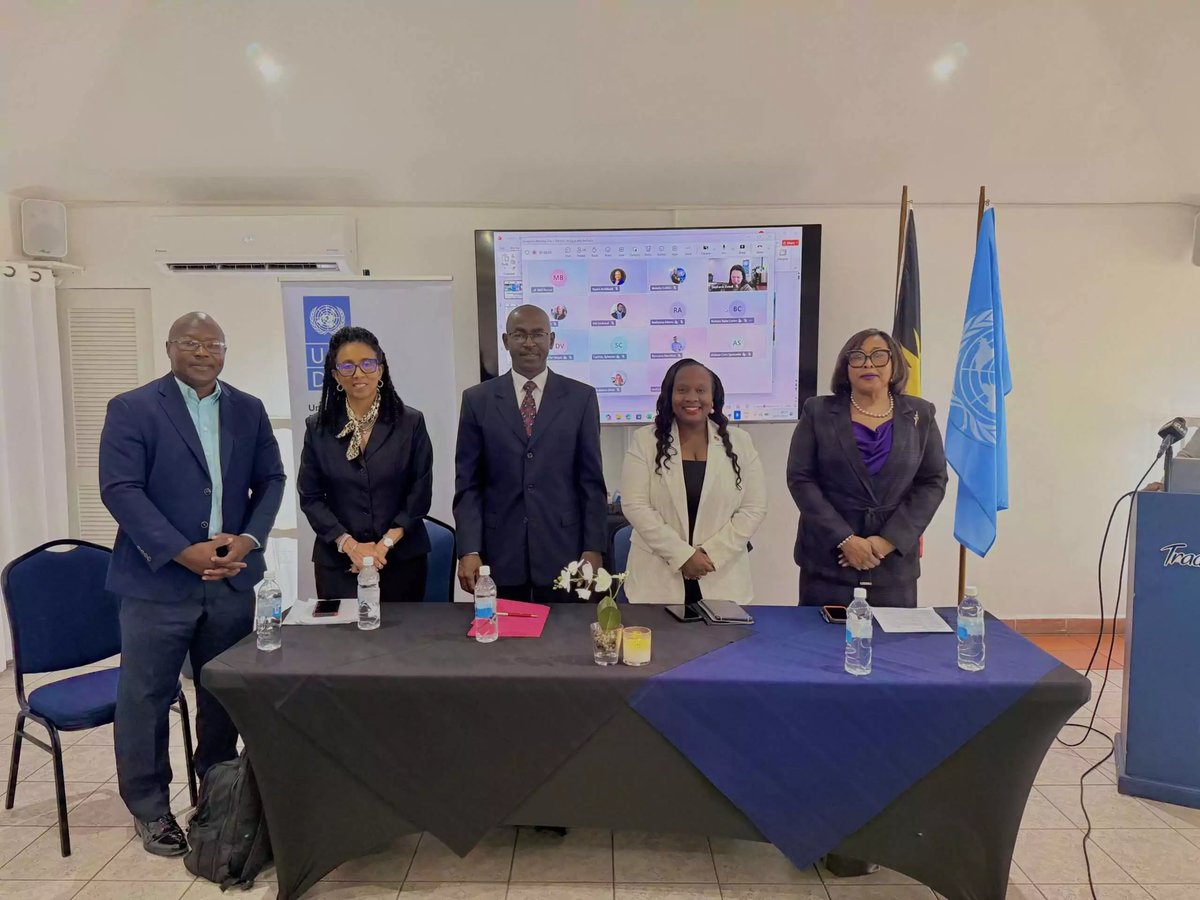
The five-year "Early Warnings for All" initiative was officially launched Thursday during a National Inception Workshop at the Trade Winds Hotel. The project is funded through a grant from the Green Climate Fund and implemented in partnership with the United Nations Development Programme.
Government officials, disaster management experts, and representatives from several United Nations agencies gathered for the launch, which centred on improving the country's ability to deliver timely warnings and emergency information to residents before disasters strike.
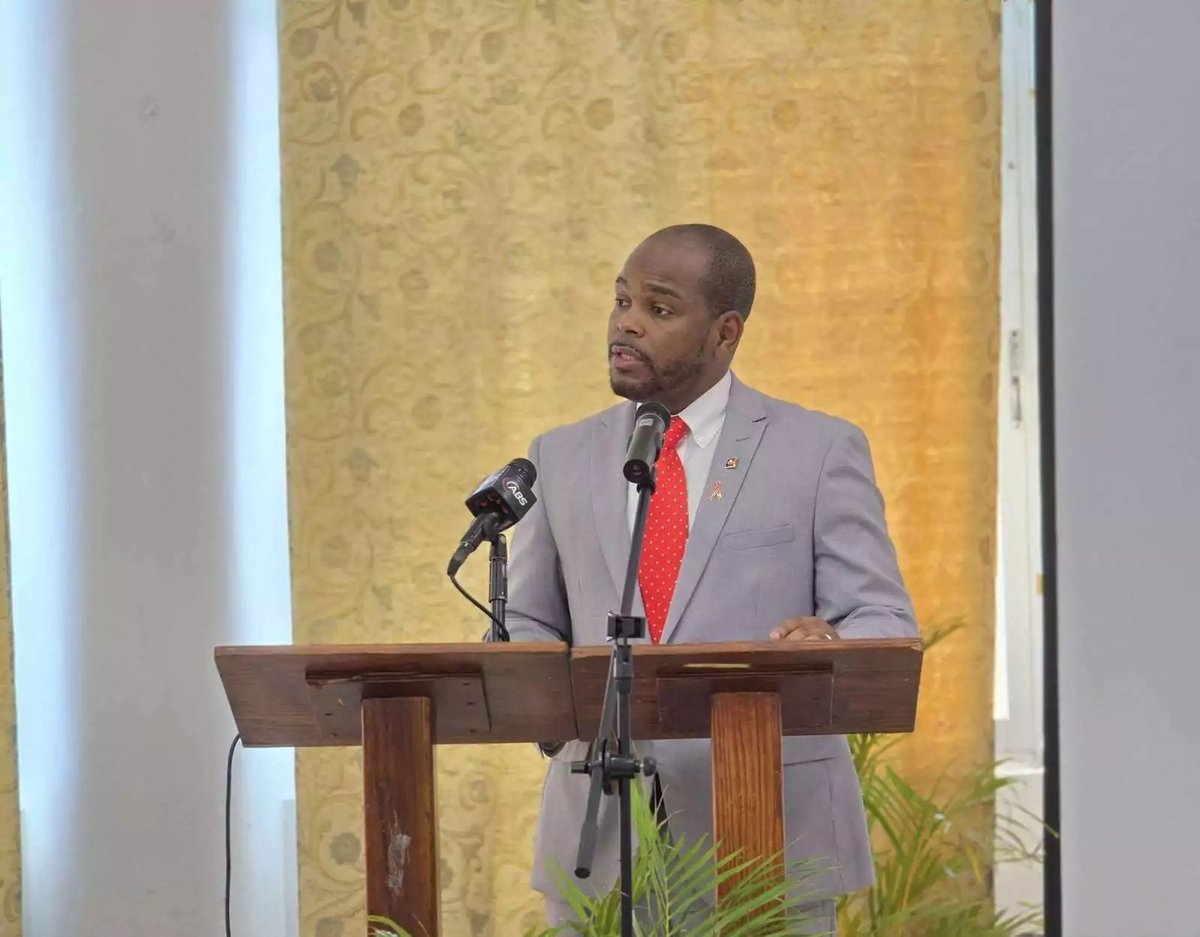
Minister of State in the Ministry of Social and Urban Transformation Kiz Johnson delivered the keynote address, saying the initiative is designed to ensure every citizen — including those in remote communities — can access critical information during emergencies.
"We are here to ensure that information lives and breathes at the last mile," Johnson said. "Whether it is a fisherman in Barbuda or a family in a remote rural community, this system must reach them in a language they understand and through channels they trust."
The project will modernise the country's Disaster Management Act while upgrading forecasting technology and infrastructure used by the Antigua and Barbuda Meteorological Service. Antigua and Barbuda currently ranks fifth on the World Risk Index, underscoring the country's significant vulnerability to hurricanes, flooding, drought, and other climate-related disasters.
Green Climate Fund Regional Director for Latin America and the Caribbean Kristin Lang said the Caribbean urgently needs stronger early warning systems as climate conditions grow more severe.
"Across the Caribbean, communities are facing stronger hurricanes, flash floods and prolonged drought," Lang said. "Early warning systems are therefore essential for protecting lives, livelihoods, and development gains."
UNDP Deputy Resident Representative for Barbados and the Eastern Caribbean Stephanie Ziebell described the project as a major step forward in building climate resilience across the region. She said collaboration between international agencies and local stakeholders would help foster a more proactive approach to disaster management.
The initiative will be carried out locally alongside the National Office of Disaster Services. Workshop discussions on the first day focused on improving technical forecasting systems, including enhanced monitoring for flash floods and storm surges. Participants are also expected to visit Community Emergency Response Units and the Crabbs Search and Rescue Training Area as part of the programme.
Officials say the initiative is intended to ensure no citizen is left behind when climate-related hazards threaten the country.