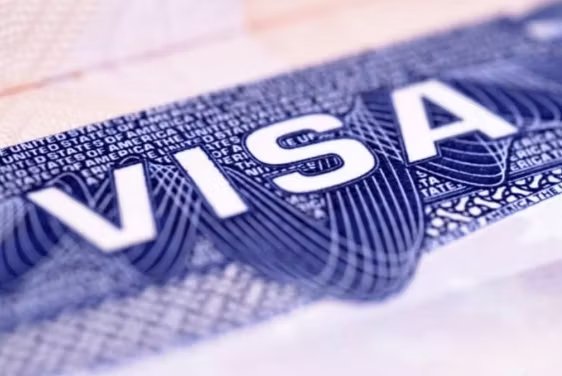
The Trump administration has introduced a new rule requiring visa applicants to the United States to affirm that they do not fear persecution in their home countries, marking another significant step in the administration's efforts to restrict immigration. According to Antigua News Room, the policy was outlined in a diplomatic cable sent to all US embassies and consulates this week.
The rule applies to nonimmigrant visa applicants — including tourists, students and temporary workers. It comes on the heels of several other restrictive measures, including increased vetting for student visa applicants and a temporary pause on immigration application decisions to ensure compliance with newly issued security check guidance, as reported by Antigua News Room.
Under the directive, consular officers are instructed to pose two questions to applicants: "Have you experienced harm or mistreatment in your country of nationality or last habitual residence?" and "Do you fear harm or mistreatment in returning to your country of nationality or permanent residence?" The cable explicitly states that applicants must respond verbally with a "no" to both questions for visa issuance to proceed.
"Consular officers must prevent abuse of the immigration system by visa applicants who misrepresent their purpose of travel, including those who attempt to obtain nonimmigrant visas for the purpose of claiming asylum upon arrival in the United States," the cable, reviewed by CNN, stated.
A State Department spokesperson defended the measure, saying that "consular officers are the first line of defense for US national security" and that the department "uses all available tools and resources to determine whether each visa applicant qualifies under US law."
The administration had already suspended immigrant visa processing for 75 countries in January, and the latest directive further tightens the path for those who may seek protection under US asylum law. Under existing law, a person must be physically present in the United States and demonstrate that they are fleeing political, racial or religious persecution in order to apply for asylum.
Immigration policy consultant Camille Mackler warned that the new rule would place vulnerable individuals in untenable positions. "This is going to put people in really bad, terrible positions of having to make choices that ultimately affect their and their family safety," she told CNN.
Mackler also cautioned that the policy could drive people toward dangerous alternatives. "I also think this pushes people to unsafe pathways and unsafe routes, because if you need to leave, you leave, and you do whatever you need to do that," she said.