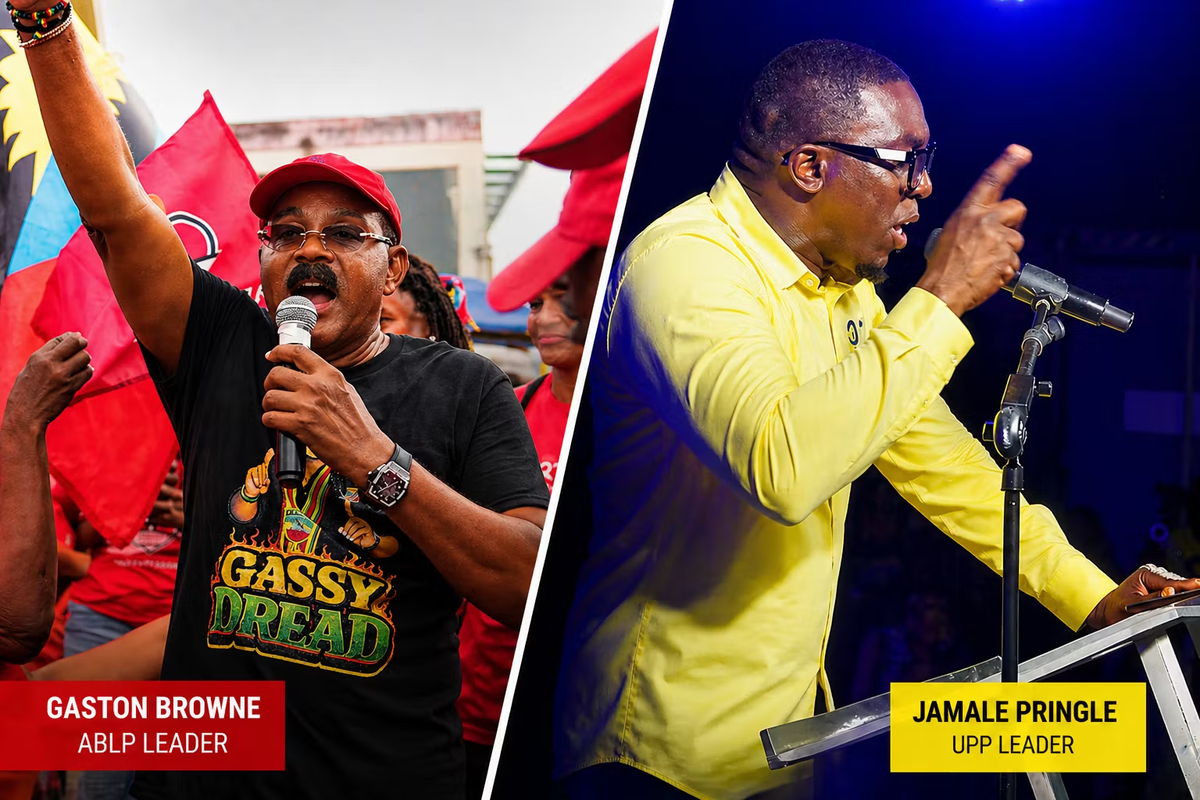
On the eve of Antigua and Barbuda's general election, the leaders of the country's two main political parties delivered sharply contrasting final appeals to voters. According to Antigua News Room, opposition leader Jamale Pringle urged citizens to embrace change after what he described as years of national decline, while Prime Minister Gaston Browne sought another term to advance what he called a national "renaissance."
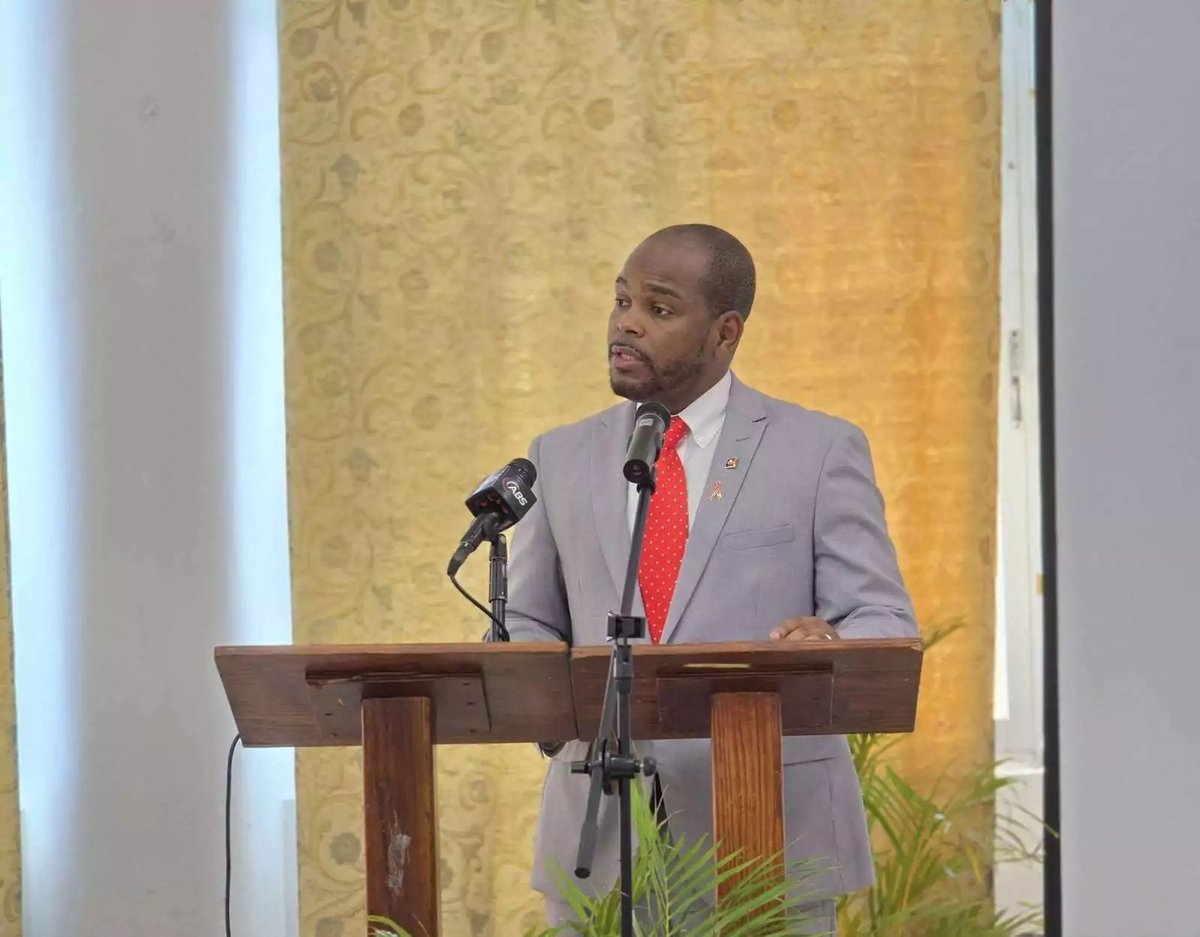
In a video address released Wednesday, Pringle framed the election as a defining moment, telling voters their decision would shape daily life — from the cost of living to infrastructure and healthcare.
"Tomorrow… may be your last opportunity for five years to determine the future of this nation," he said, making a direct appeal to undecided voters and those considering staying home.
Pringle acknowledged widespread voter frustration, saying many had been "deeply disappointed" over the past 12 years, with some experiencing worsening personal and economic conditions. He cited deteriorating roads, an unreliable water supply, rising crime, and an increasing cost of living as evidence that a change in government was necessary.
He also pointed to what he described as governance failures affecting Antigua and Barbuda's international standing, including strained foreign relations and financial risks, arguing these were "not accidental circumstances" but the direct result of leadership decisions.
Making his case for the United Progressive Party, Pringle emphasized the UPP's experience and past record in government, saying the party had previously inherited difficult challenges and managed them effectively. He urged voters to "vote against the situations that hinder your progress and the behavior that threatens democracy," while pledging that a UPP government would be held accountable for delivering improved living standards and national development.
Pringle also sought to reassure voters about his party's readiness to govern, pointing to what he described as the "education, experience, competence, and the character" of the UPP slate.
Browne, meanwhile, used his final televised interview to argue that his administration had already delivered measurable progress and deserved to be returned to office to deepen those gains.
Centering his campaign on a theme of national renewal, Browne said Antigua and Barbuda was already experiencing a "renaissance," citing economic growth, infrastructure development, and social programmes as evidence of transformation.
"We are already in the Renaissance," he said, adding that further investment in infrastructure and people would lead to the "blossoming of our nation" and raise living standards across the board.
Browne highlighted improvements in key economic indicators, including growth, employment, and fiscal performance, while arguing his administration had strengthened the country's financial position and reduced inequality over time. He also pointed to government initiatives such as subsidised housing, duty waivers, and social programmes as part of a broader effort to distribute wealth more equitably.
Central to his re-election pitch was a commitment to expand opportunities further — including higher wages, improved infrastructure, and increased investment in housing, education, and healthcare. Browne said his government planned to raise the minimum wage and push toward a "livable wage," while maintaining subsidies to protect citizens from rising global costs.
He argued that continued economic expansion, supported by billions of dollars in planned investment projects, would create jobs and position Antigua and Barbuda as a regional leader. Browne also maintained that his administration had governed inclusively, saying programmes such as duty waivers and social support were applied broadly across the population regardless of political affiliation.
The contrasting messages underscored the central choice facing voters: whether to back the opposition's call for change after more than a decade of Labour Party rule, or to endorse the incumbent government's argument that its policies have laid the groundwork for continued growth and prosperity.
Voters headed to the polls today in a closely watched election that will determine the country's political direction for the next five years.