The United Arab Emirates has announced its withdrawal from OPEC and OPEC+, the influential groupings of major oil-producing nations, ending a membership that has lasted nearly six decades.
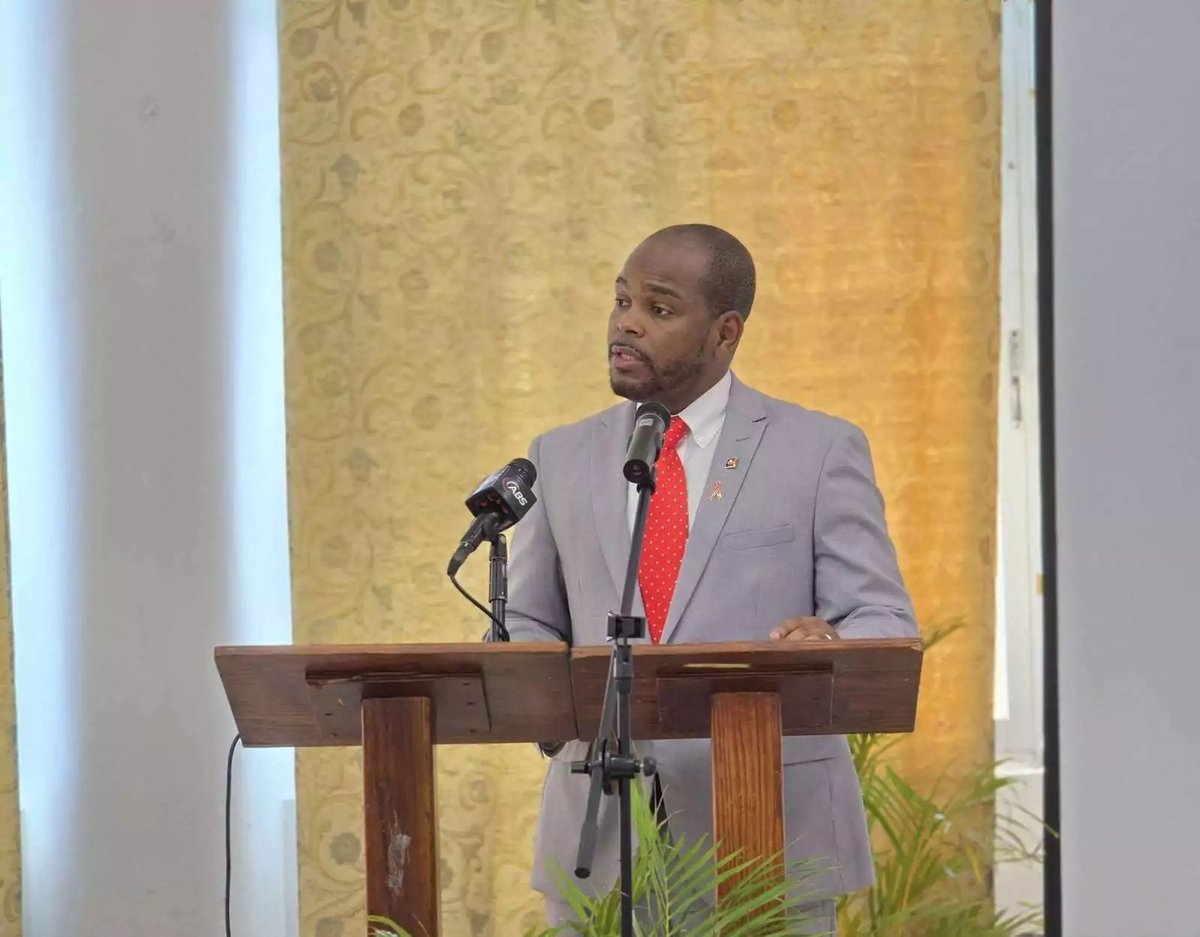
According to Antigua News Room, the UAE stated that the decision reflects its "long-term strategic and economic vision and evolving energy profile." The Gulf state's energy minister added that operating without obligations under the groups would provide the country with greater flexibility.
The departure is being viewed as a significant blow to the cartel. Energy analyst Saul Kavonic, head of energy research at MST Financial, described the exit in stark terms. "This is the beginning of the end of OPEC," he said. "With the UAE leaving, OPEC loses about 15% of its capacity and one of its most compliant members."
Kavonic warned that Saudi Arabia, the de facto leader of OPEC, would now face an increasingly difficult task holding the remaining members together. "Saudi Arabia will struggle to keep the rest of OPEC together, and effectively have to do most of the heavy lifting regarding internal compliance and market management on its own," he said, noting that other members could follow the UAE's lead. "This presents a fundamental geopolitical reshaping of the Middle East and oil markets."
The UAE joined OPEC in 1967. Its departure leaves the cartel with 11 member states. According to the latest OPEC figures, the UAE produces 2.9 million barrels of oil per year, compared to the nine million barrels produced annually by Saudi Arabia.
OPEC was founded in 1960 by five nations — Iran, Iraq, Kuwait, Saudi Arabia and Venezuela — with the stated aim of coordinating production to secure steady revenue for its members. Over the decades, membership has fluctuated. Current members beyond the five founders include Algeria, Equatorial Guinea, Gabon, Libya, Nigeria and the Republic of the Congo.