Dear Editor,
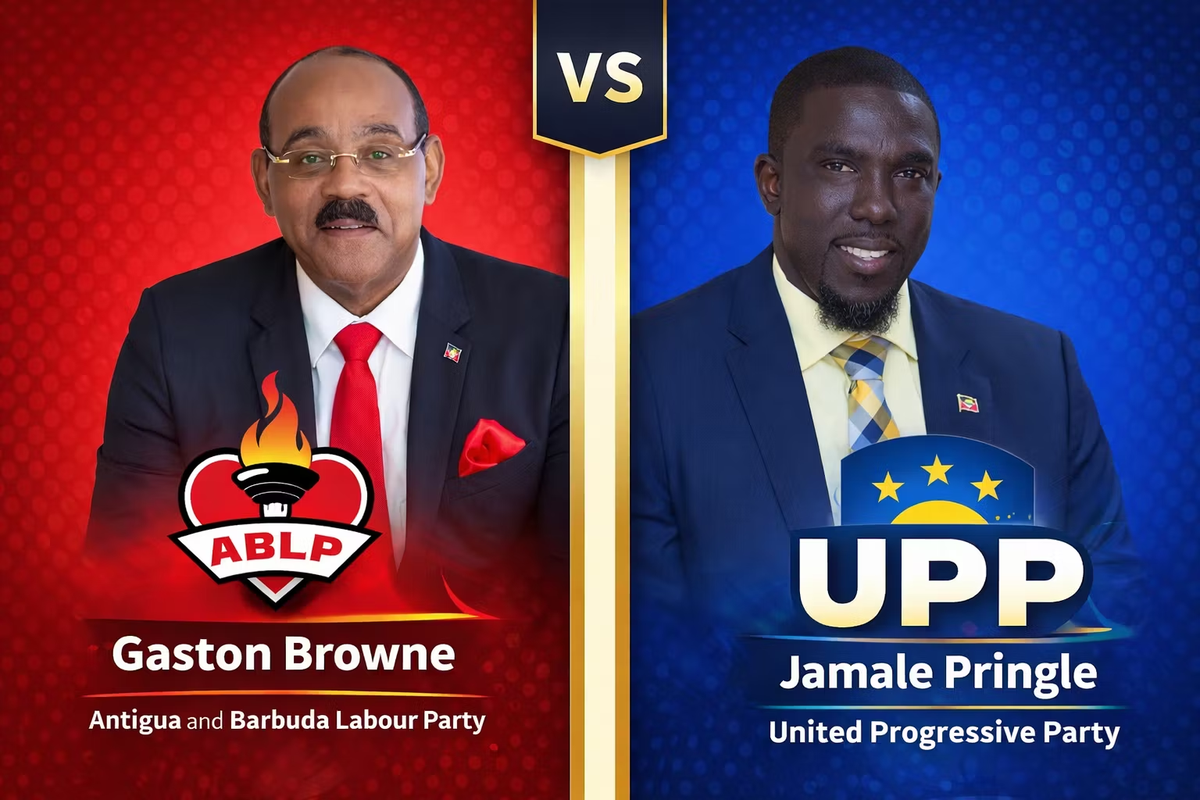
The countdown is on. With Antigua and Barbuda's general election now less than 72 hours away, according to Antigua News Room, one contributor is urging voters to place leadership — at every level — at the centre of their decision-making.
In the writer's view, the question of leadership will prove to be the defining factor in determining which of the two political parties emerges victorious. Importantly, the concept of leadership extends beyond the office of Prime Minister. It applies equally to the role of the constituency representative — a consideration that must not be overlooked.
A good leader, the letter argues, is not simply someone who holds authority. True leadership requires a blend of character, skill, and behaviour. Political leadership, in particular, is a complex undertaking — one that involves representing millions of people with differing interests, values, and expectations.
As voters prepare to go to the polls on Thursday, 30th January 2026, the writer offers ten qualities the electorate should weigh when casting their ballot:
1. Public trust and credibility — Does the candidate you are voting for have your trust? Consistency between what they say and what they do is critical.
2. Vision for society — Does the candidate have a clear sense of where they want to take the country or constituency — whether through economic growth, social reform, or stability — and the ability to translate that vision into realistic policy?
3. Communication with diverse audiences — Does the candidate possess the ability to communicate effectively with different groups — supporters, critics, and undecided citizens — without alienating them?
4. Negotiation and compromise — Does the candidate demonstrate the ability to work with opponents, build coalitions, and find common ground without abandoning their core principles?
5. Decisiveness under pressure — Does the candidate have the capacity to make sound, effective decisions during a crisis — whether an economic downturn, natural disaster, or conflict?
6. Integrity and ethical judgment — Is the candidate ethical, and can they be trusted not to abuse political power for personal gain?
7. Accountability to the public — Is the candidate transparent and receptive to criticism from ordinary citizens in their day-to-day conduct?
8. Understanding of policy and systems — Does the candidate possess the political experience and knowledge of economics, law, international relations, and the functioning of government required for the role?
9. Emotional intelligence and restraint — Can the candidate remain composed and avoid unnecessary escalation in tense or adversarial situations?
10. Ability to unify rather than divide — Does the candidate demonstrate the capacity to reduce polarisation and build a sense of shared purpose, even in the face of disagreement?
The writer concludes with a closing thought: the balance between principle, pragmatism, and power is what ultimately defines a leader's effectiveness.