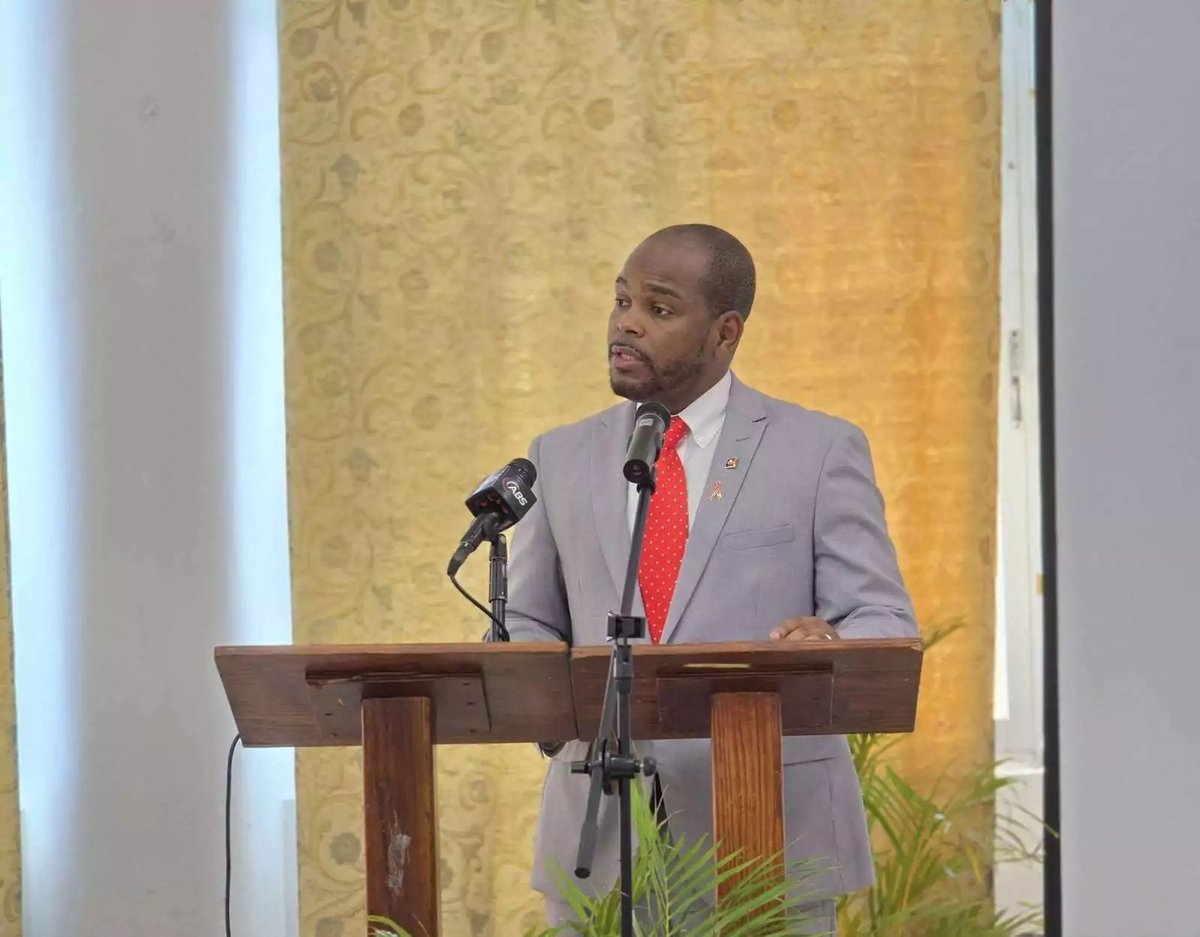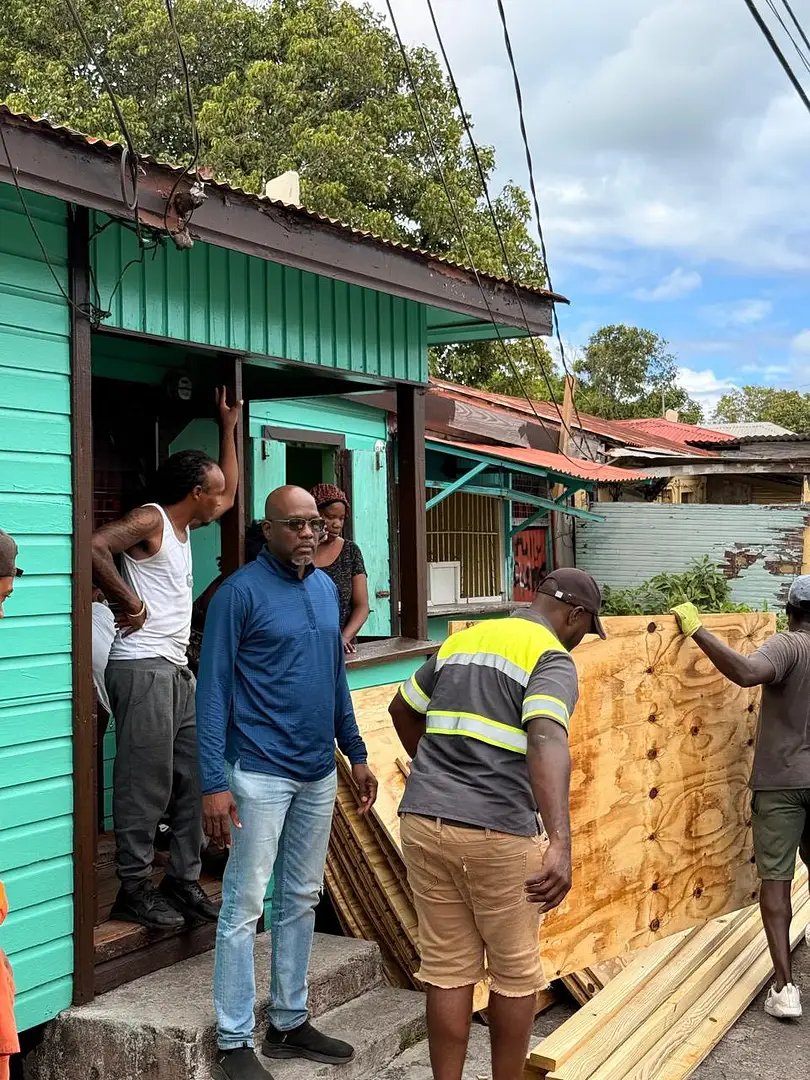
The absence of available government land is the defining obstacle to housing development in St John's Rural South, according to ABLP candidate and Education Minister Daryll Matthew. Speaking during an interview on ABS Television's "Know Your Candidates" programme, as reported by Antigua News Room, Matthew outlined the unique challenges facing the densely populated urban constituency.
"St John's Rural South has a single phenomenon in that there is no vacant government lands in these areas," Matthew said. He described the bulk of existing properties as privately owned, tightly packed and frequently in poor condition — "very dense, very small, and in a lot of cases, dilapidated."
With new community development largely off the table, efforts have shifted toward rehabilitating existing housing stock. Matthew pointed to the government's HAPI programme as a key tool in that effort. "We have been able to benefit from the HAPI program, where persons can repair their properties to improve the quality of their living conditions," he said.
The minister also noted that the removal of abandoned structures has been an active priority. "We have been doing quite a few demolitions of derelict properties," he said.
Looking ahead, Matthew indicated that higher-density residential development is among the options being explored to make more efficient use of the constituency's limited space. "We have been searching to try to identify some areas where we could perhaps build a condominium-style housing in St John's Rural South," he said.
The government is also examining mechanisms to return long-neglected properties to the market. "Properties that have been abandoned for several decades can be identified, cleared, and put back into the open market," Matthew said.
One additional challenge he acknowledged is resident retention. When housing opportunities become available elsewhere, constituents tend to leave the area. "As they get access to land, they move out of the constituency," he said.
Matthew said resolving the housing deficit in St John's Rural South will require a multi-pronged approach — combining home improvement initiatives, redevelopment of existing sites, and more efficient land use strategies suited to the constraints of the constituency.