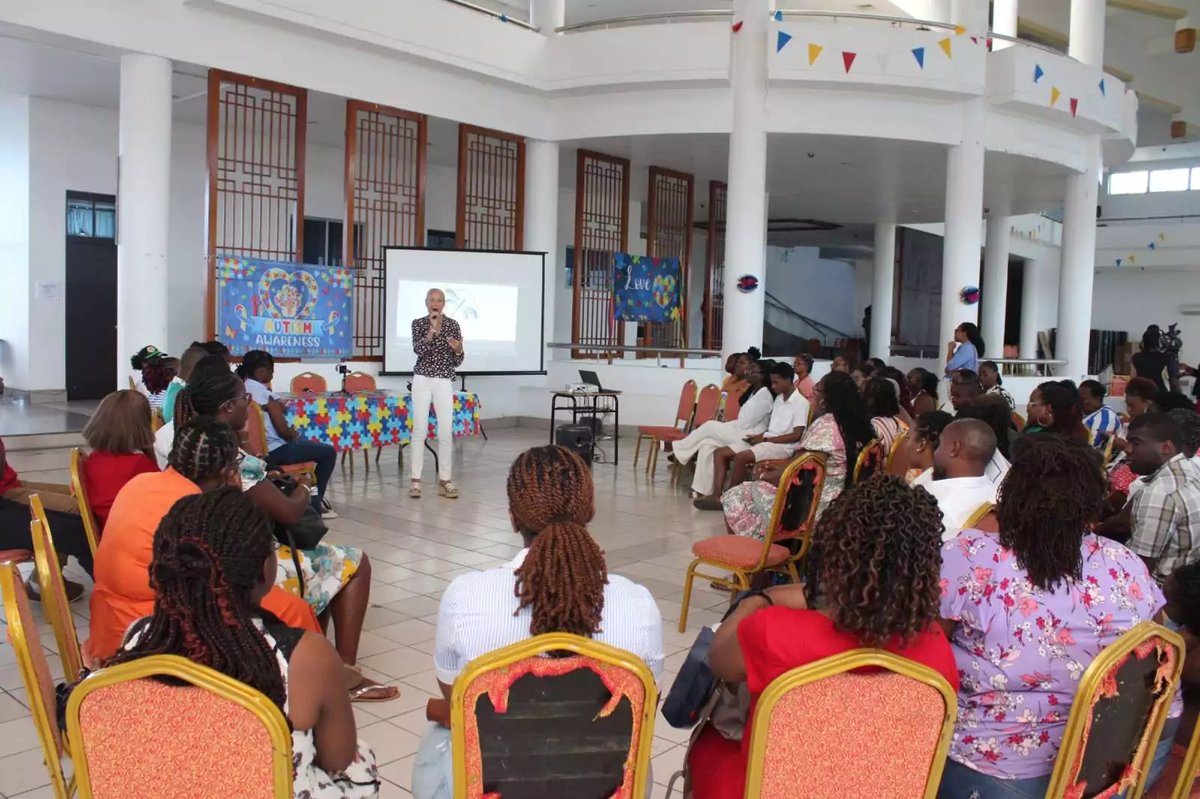
More than 100 parents and caregivers of children with autism convened at the Multipurpose Cultural Centre on Sunday for a free retreat centred on one core message: a caregiver's wellbeing is not incidental to their child's development — it is the foundation of it.
According to Antigua.news, the event was organised by the Center for the Holistic Advancement of Therapeutic Services, the Antigua and Barbuda Holistic Coalition (ABHC), and the Directorate of Gender Affairs (DoGA), and funded by the Mill Reef Fund. The retreat brought together clinical education, emotional support, and an honest assessment of the gaps in local autism resources — gaps that a pre-event survey confirmed families are urgently seeking to fill.
Lead presenter Cerene Prince, a Licensed Clinical Social Worker and founder of the ABHC, set the tone immediately. "If you are not well, your child is not well," she told attendees. "No matter whether autism, special needs, whatever it may be, even your adulthood needs you to be well."
Prince, who has more than 20 years of experience working with children and families across the United States and the Caribbean, delivered the session's core content. Her presentation covered the causes, classifications, and daily realities of autism spectrum disorder as they affect children, adolescents, and adults.
She also drew attention to a significant data gap. According to the World Health Organisation, approximately one in 127 individuals worldwide was living with autism as of 2021. In the United States, the Centers for Disease Control estimates the condition affects one in 36 children and one in 45 adults. Local figures for Antigua and Barbuda, Prince noted, remain elusive.
A pre-event survey of 100 registered participants underscored the depth of need among attendees. Ninety-three percent said they wanted information on autism resources — the highest area of need identified. Skills for parenting a child with autism ranked second at 88 percent, followed by autism in boys at 67 percent, mental health services at 62 percent, autism signs and symptoms at 59 percent, testing for autism at 55 percent, and autism in girls at 42 percent.
Prince guided participants through the three levels of autism spectrum disorder using locally grounded examples, emphasising that a diagnosis does not indicate low intelligence. She noted that several children in her clinical experience had tested with high IQs, and that accurate assessment had fundamentally changed their educational trajectories. She also cautioned families against narrowing their focus too sharply.
"A lot of times parents are so focused on autism, they forget that a child is facing anxiety, trauma, other comorbidities," she said. "It's really important that you see your child holistically."
A segment on adolescents and adults drew particular attention to the Caribbean region. Prince said a significant number of adults she has treated in their twenties and thirties — many from the region — had lived their entire lives without a diagnosis.
"They said to me, I always felt like I was dumb," she told the room. "Now I know."
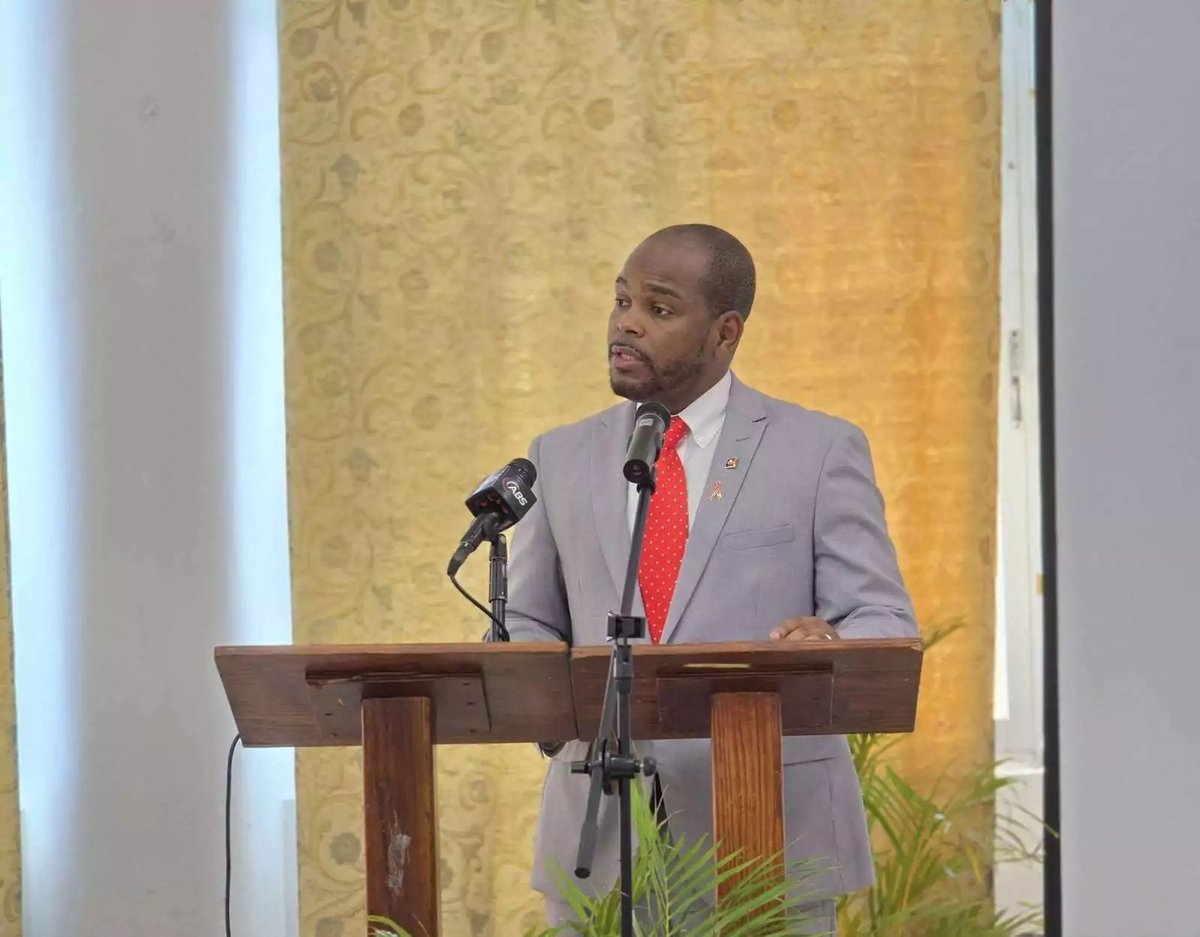
Dr. Shivon Belle-Jarvis, Medical Director of the Sir Lester Bird Medical Centre, Minister of Health Michael Joseph, and Senator Abena St Luce also attended the retreat, reflecting the organisers' intent to connect the event to Antigua and Barbuda's broader public health system and underscore the importance of early identification.
Of the 100 survey respondents, 63 percent identified as parents of a child with autism, 23 percent as caregivers supporting a child with autism, eight percent as caregivers supporting both a child and an adult with autism, and six percent as parents of an adult with autism.