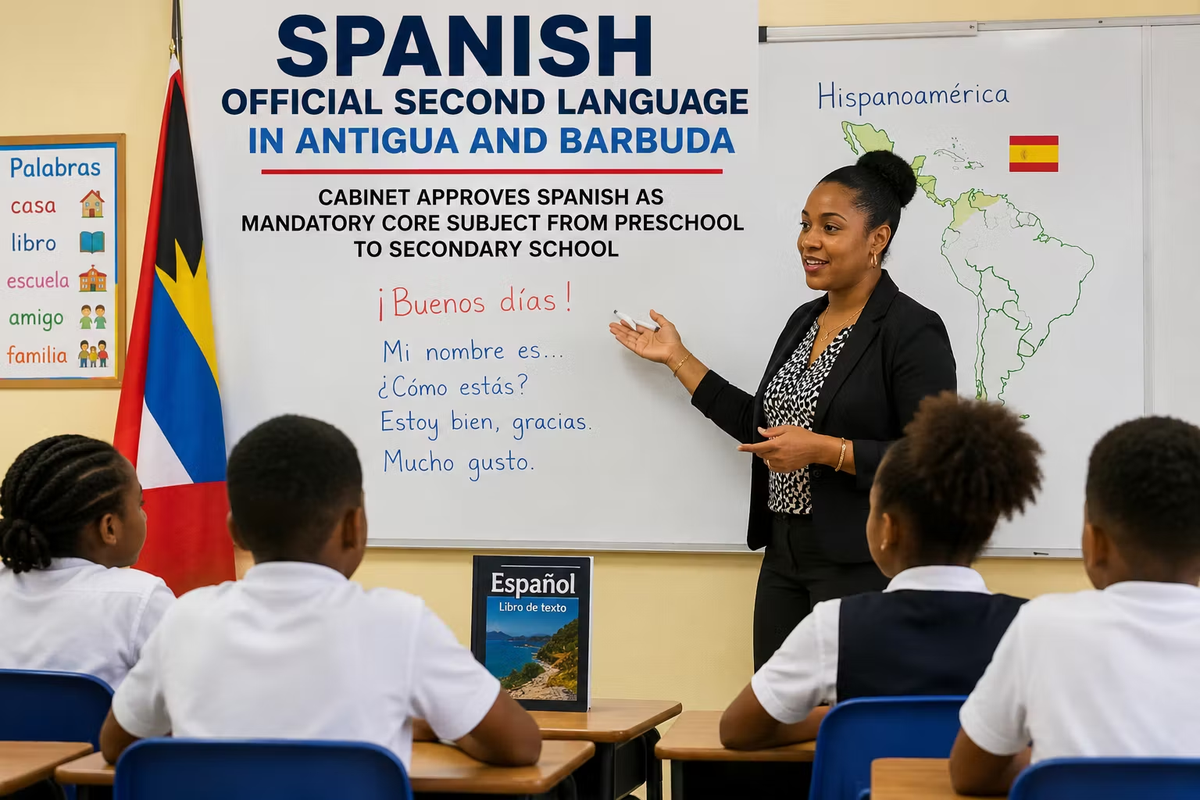
The Cabinet of Antigua and Barbuda has approved a landmark policy to establish Spanish as the country's official second language, with the subject set to become mandatory across the education system from preschool through secondary school.
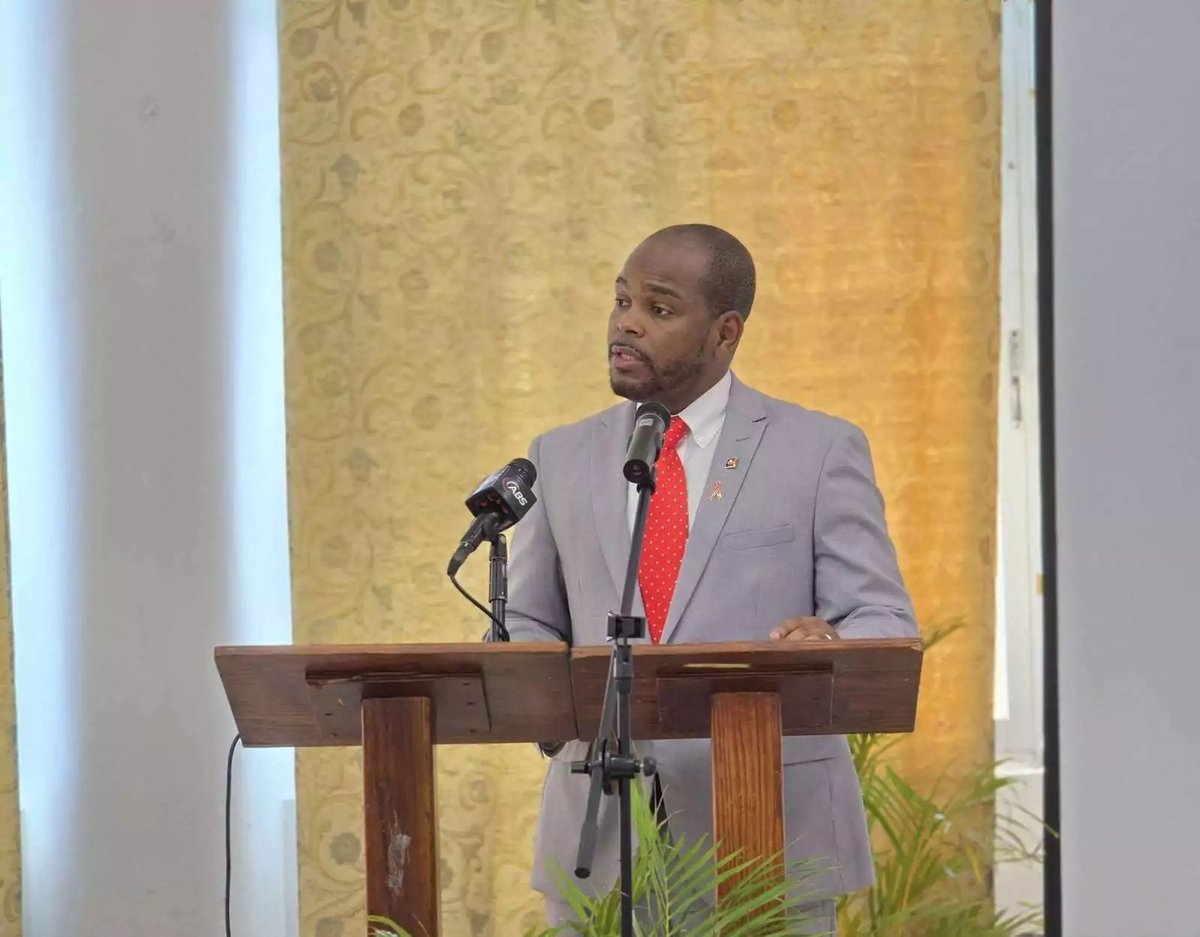
Director General of Communications Maurice Merchant announced the decision at Thursday's post-Cabinet briefing, describing it as part of a broader effort to deepen regional integration and strengthen ties with Spanish-speaking nations, particularly the Dominican Republic.
"Cabinet has mandated the Ministry of Education and Science and Technology to begin structuring the national curriculum at the preschool, primary, and secondary levels to ensure that Spanish becomes a core subject within the education system," Merchant said.
The policy represents one of the most significant education and cultural integration initiatives undertaken by the government in recent years. Cabinet said the decision reflects Antigua and Barbuda's growing engagement with Latin America and the wider Caribbean, and aims to equip future generations with language skills that can expand opportunities in employment, tourism, diplomacy and business.
Merchant noted the initiative was also shaped by the "long-standing historical, cultural and people-to-people connections" between Antigua and Barbuda and the Dominican Republic, as well as the contribution of the Dominican community to national development.
Alongside the language policy, Cabinet approved what it has termed the DRIP initiative — a Dominican Republic Integration Programme designed to strengthen economic, cultural and institutional ties between the two countries. The programme is expected to support trade, tourism, education cooperation and services for Dominican nationals residing in Antigua and Barbuda.
"It is also anticipated that our brothers and sisters from the Dominican Republic will immerse themselves in the English language," Merchant added.
Cabinet also approved the establishment of a Spanish Desk within the Office of the Prime Minister to assist Spanish-speaking residents and improve access to government services.
At the briefing, ABS reporter Alicia George asked whether Spanish instruction would be mandatory at all school levels. Merchant confirmed it would be treated as a core subject on par with English and mathematics.
The Ministry of Education has been tasked with developing the curriculum and identifying the teachers needed to support the expanded Spanish instruction programme. Officials indicated that recruitment could draw on both local and regional educators. No official cost estimate for the curriculum development and teacher training has yet been provided.