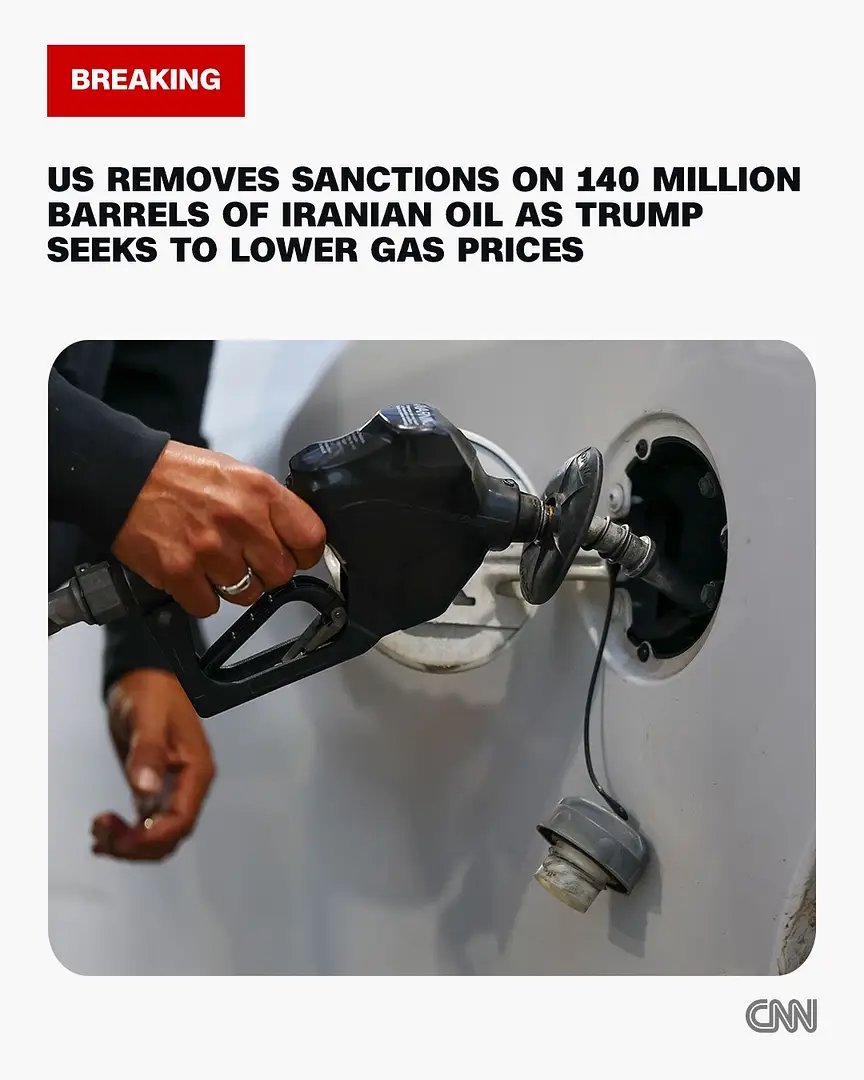
The Trump administration is moving to temporarily lift sanctions on Iranian oil barrels currently at sea, as surging global energy prices driven by the ongoing US-Iran war leave officials with few viable options, according to Antigua News Room.
Three weeks into the conflict, administration officials privately estimate that elevated oil prices could persist for months, particularly as fighting in the Middle East intensifies and passage through the Strait of Hormuz remains severely disrupted. Three people familiar with internal discussions told Antigua News Room that the US has effectively exhausted its standard policy tools for addressing the supply shock reverberating through the global economy.
"This is the biggest disruption to the oil markets that you can imagine," said Neelesh Nerurkar, a former senior Trump Energy Department official. "The shortfall is so large that the measures available are dwarfed by how much oil is not reaching the market."
The administration has already released hundreds of millions of barrels from its strategic reserves, eased certain sanctions on Russian oil, and taken domestic steps to accelerate crude flows. Those measures have done little to slow rising prices. Brent crude, the global oil benchmark, hit $112 a barrel on Friday — near highs not seen in three-and-a-half years — while the US national average for gasoline is approaching $4 per gallon.
By allowing allies to purchase roughly 140 million barrels of Iranian oil currently held at sea, officials hope to inject additional supply into a strained market. Treasury Secretary Scott Bessent framed the decision as a strategic manoeuvre, writing on X that the administration is "using the Iranian barrels against Tehran to keep the price down as we continue Operation Epic Fury."
"Iran will have difficulty accessing any revenue generated and the United States will continue to maintain maximum pressure on Iran and its ability to access the international financial system," Bessent added.
US Ambassador to the United Nations Mike Waltz described the sanctions easing as "very temporary," aimed at countering what he called Iran's strategy of driving energy prices to unsustainable levels. "We're going to allow it to go on a temporary basis to some of our allies like India, Japan and others so that this strategy from Iran, the Iranian regime, doesn't work," Waltz told CNN.
The move carries significant political complications for President Donald Trump, who previously criticised former President Barack Obama for allowing financial flows to Iran as part of the nuclear deal. The decision effectively allows the Iranian regime to benefit financially even as the US pursues military operations against it — a tension the administration has sought to downplay.
Officials have argued that the oil in question would have been purchased by China regardless of US sanctions. Allowing US allies to buy it instead, they contend, limits Iran's financial gain while addressing allied supply shortfalls. "Iran was going to sell those barrels anyway," said one person familiar with the discussions. "Instead of going to China, we make it sellable to Thailand or Vietnam."
Analysts warn the relief may be short-lived. The 140 million barrels available at sea amounts to roughly one-and-a-half days of global oil consumption, according to the US Energy Information Administration. "If they pursue this strategy and allow buyers to buy off this oil on the water, it'll go quickly," said Gregory Brew, a senior analyst at Eurasia Group. "Then we'll be faced with the interesting proposal of dropping sanctions on Iranian oil generally."
White House spokeswoman Taylor Rogers said Trump's team "have considered all the options on the table to mitigate these short-term disruptions and has quickly taken action when necessary," adding that oil and gas prices would drop rapidly once military objectives are completed.
Trump himself has largely dismissed concerns about the economic impact, characterising it as "short-term pain" and saying the Strait of Hormuz would "at a certain point, open itself." That vagueness has left foreign allies and energy companies with little clarity on the path ahead, complicating efforts by officials tasked with managing the growing economic fallout.