Prime Minister Gaston Browne has defended the government's decision to make Spanish the official second language of Antigua and Barbuda, arguing the policy advances economic integration, diplomatic competitiveness and the social inclusion of a Spanish-speaking population he estimates at roughly ten percent of the country.
Cabinet approved the initiative on May 14, directing the Ministry of Education, Science and Technology to begin restructuring the national curriculum so that Spanish becomes a compulsory core subject from pre-school through secondary level. Cabinet also approved the Dominican Republic Integration Programme — known as DRIP — to formalise economic, cultural and institutional ties between the two countries.
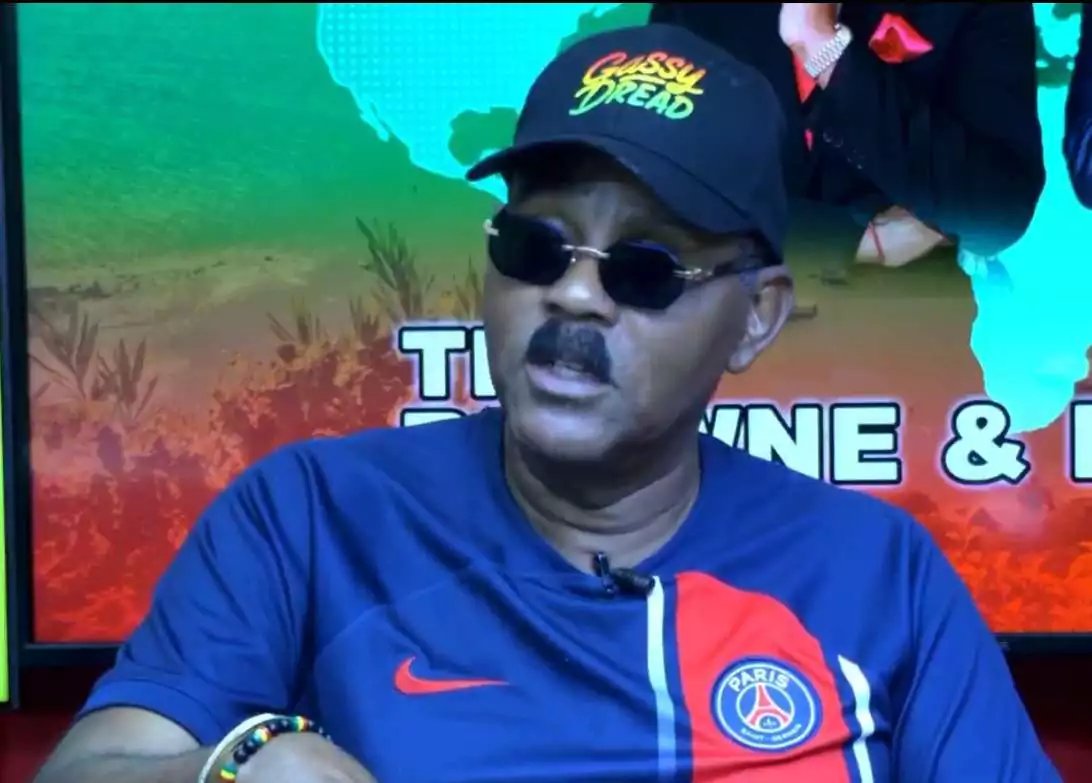
Speaking on his weekly programme on Point FM, Browne said criticism of the policy was misplaced. He pointed to the linguistic reality on the ground: Spanish is already the most widely spoken second language among residents, driven largely by a Dominican-origin community whose members he said are partly descended from Antiguans who emigrated decades ago.
"The most popular second language that is spoken in Antigua and Barbuda is not Mandarin or French. It is Spanish," Browne said.
He argued that teaching Spanish would open market access in South America, strengthen Antiguan candidates for positions in regional and international organisations and help integrate the Spanish-speaking community more fully into the economy. He cited the country's sponsorship of Ecuadorian diplomat and former foreign minister Maria Espinosa as a candidate for United Nations Secretary-General, describing her multilingualism as a key qualification.
Browne also invoked the country's historical connections to the Spanish-speaking world, including Antiguan labourers who helped construct the Panama Canal and Caribbean links stretching through Venezuela and the Dominican Republic.
"If our Antiguans and Barbudans in the future are going to become secretary generals, or viable candidates to become secretary generals of the UN, of the OAS, and so on, they have to have a second language," he said.
The Prime Minister rejected the suggestion that Antiguan dialect should serve as the country's second language, saying it develops naturally and does not require formal instruction. He also dismissed concerns about implementation, pointing to the existing network of Spanish instruction at the Venezuelan Embassy and the longstanding presence of Spanish classes in secondary schools across the country.